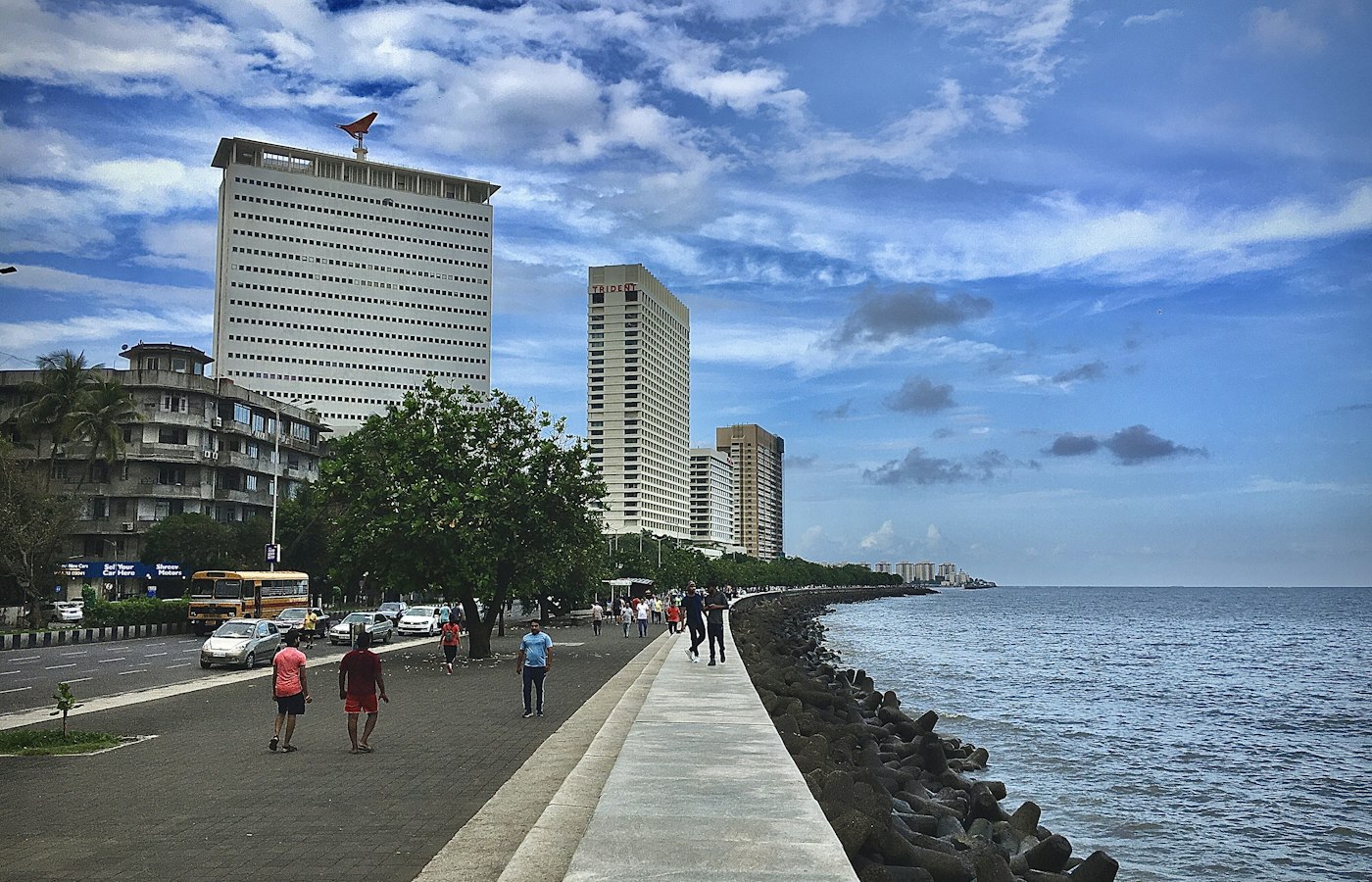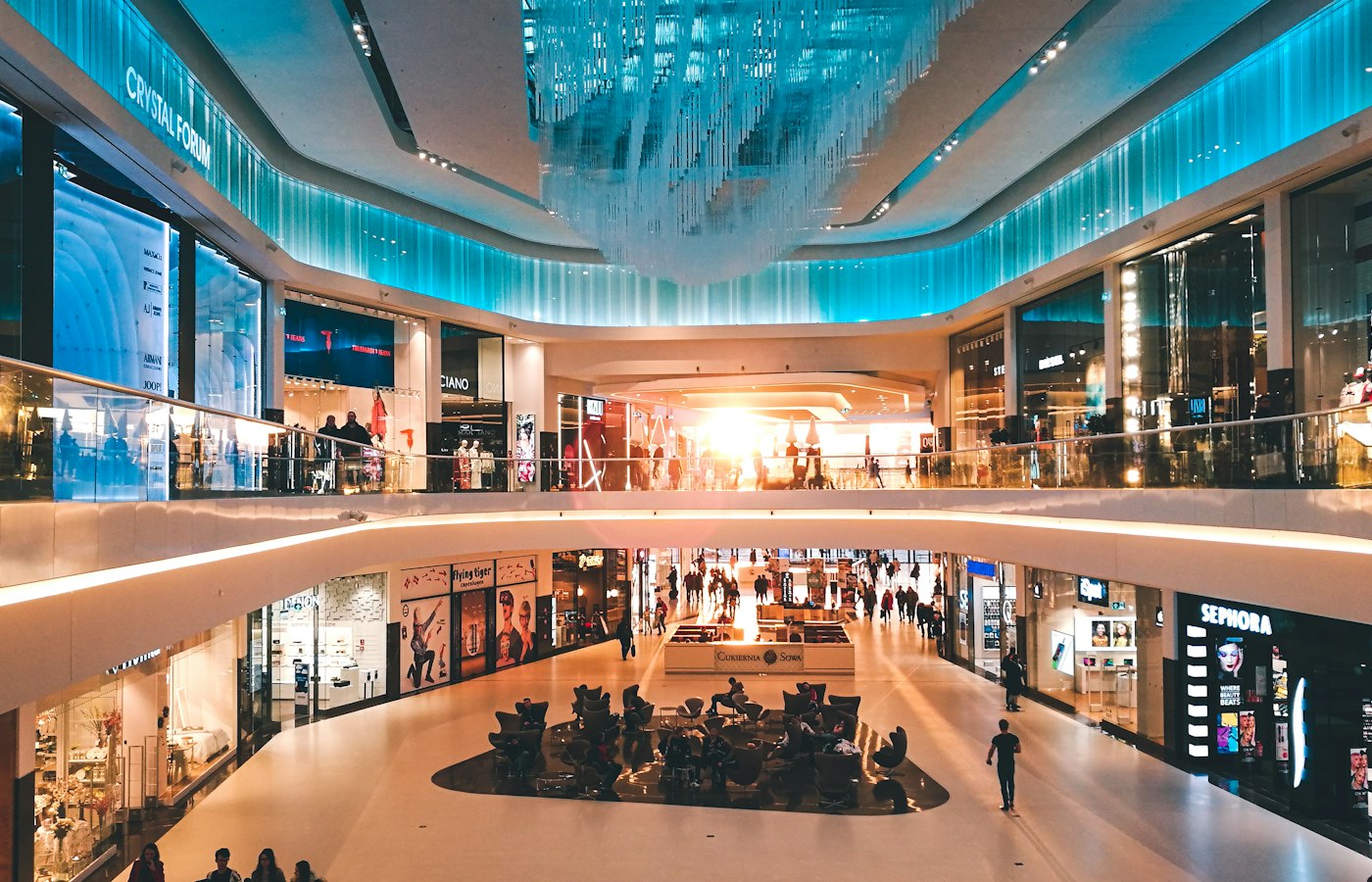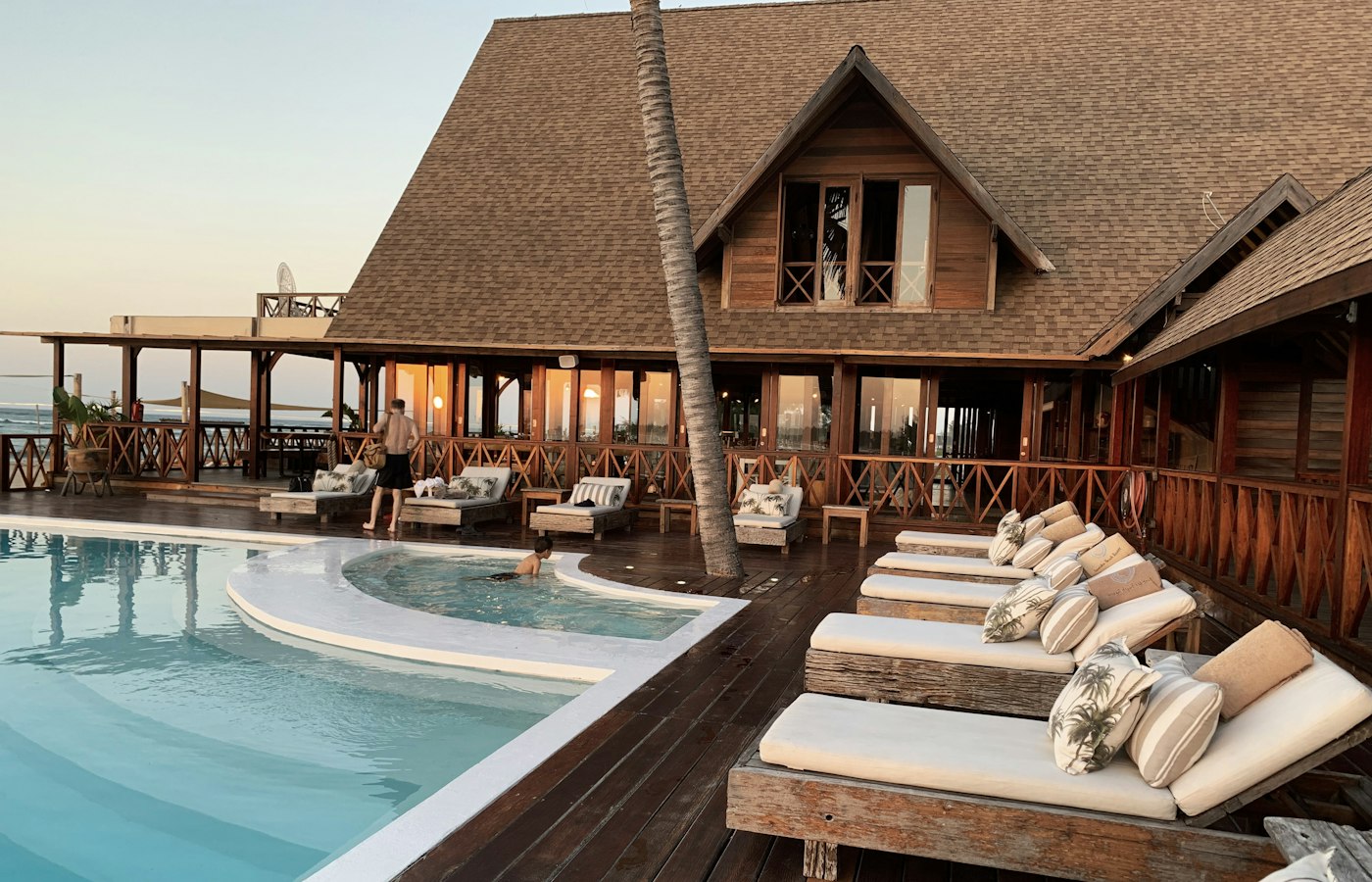
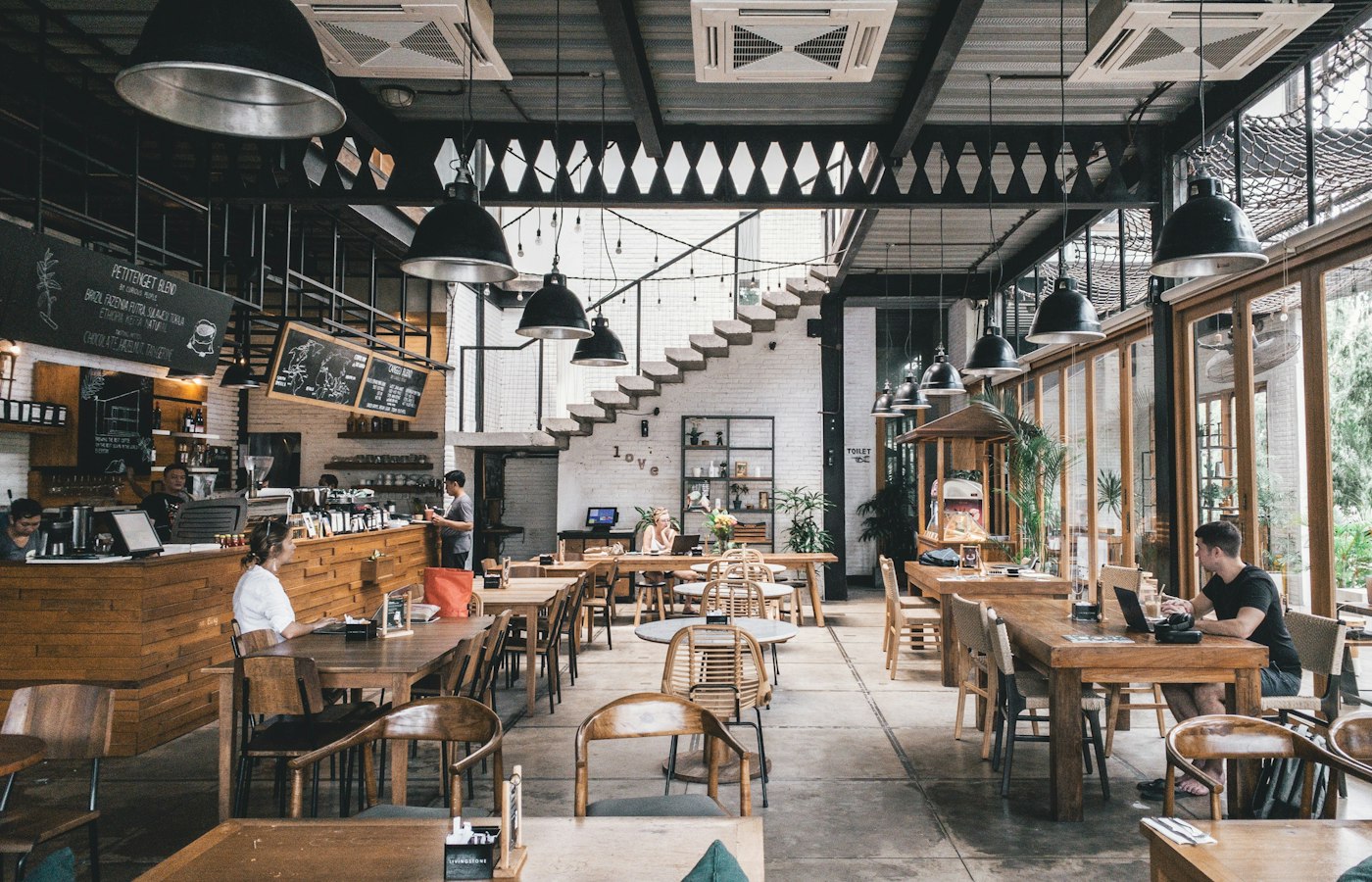
Walk down a thriving high street in any growing city and you will notice something: much of the activity is around food. Cafés fill with morning meetings, restaurants draw families in the evening and dessert counters stay busy late into the night. Dining has become the anchor that keeps a street alive.
Why food and beverage works as an anchor
- It cannot be replaced online. Delivery is convenient, but people still want to go out.
- It extends trading hours, bringing footfall that benefits neighbouring stores.
- It creates repeat visits, often several times a week.
- It builds identity, giving a street or development a reputation people talk about.
Designing for dining
Food and beverage tenants have specific needs: exhaust and ventilation routes, gas lines, grease traps, adequate power and, ideally, outdoor seating. Buildings planned without these provisions struggle to attract good operators. Developers who plan for them from the start can curate a stronger mix.
Balancing the mix
Too many restaurants can compete with each other; too few can leave a street quiet after office hours. The best destinations balance dining with retail, wellness and services.
Thinking Spaces helps landlords plan and lease food and beverage destinations that bring life – and lasting value – to their properties.