
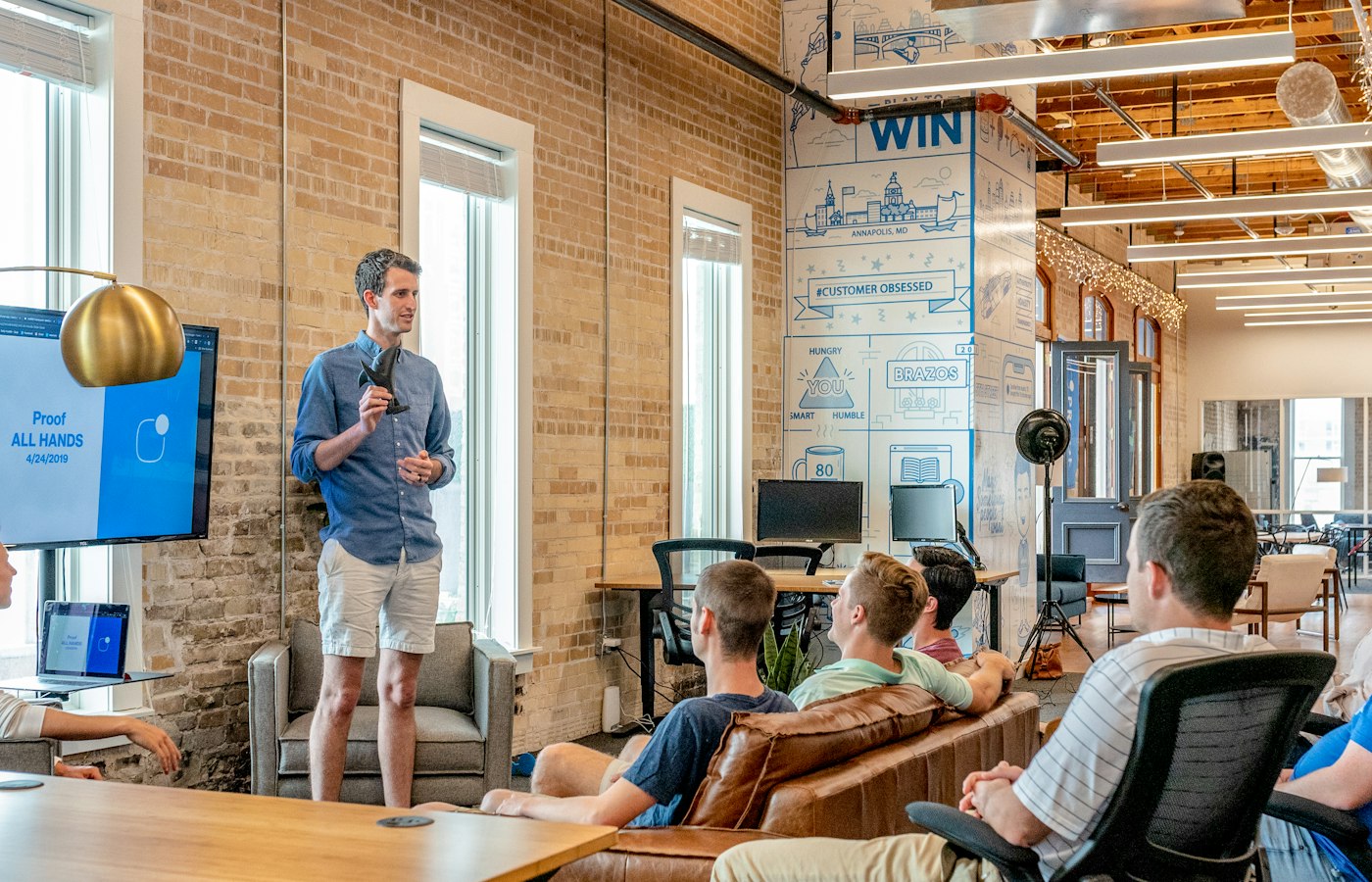
Most start-ups begin at a kitchen table, a coworking desk or a borrowed meeting room. The move into a first dedicated office is a milestone – and founders often discover it is a more complex decision than they expected.
What founders prioritise
- Access to talent: a location the team can reach easily, near colleges or established tech clusters.
- Flexibility: short lock-ins and room to add seats as funding rounds close.
- Speed: furnished or managed space that lets the team move in within weeks, not months.
- Culture: a space that reflects how the company wants to work – open, energetic and collaborative.
- Cost discipline: every rupee spent on rent is a rupee not spent on product or people.
Common mistakes
Founders sometimes sign long leases for more space than they need, hoping to grow into it, or choose a prestigious address that strains cash flow. Others underestimate fit-out costs, internet infrastructure or the time needed for approvals.
Building for the next stage
The best first offices are chosen with the next two years in mind: enough flexibility to grow, enough character to attract talent and enough financial headroom to survive surprises.
Thinking Spaces works with founders to find spaces that fit both their culture and their runway – and to plan the move after this one.