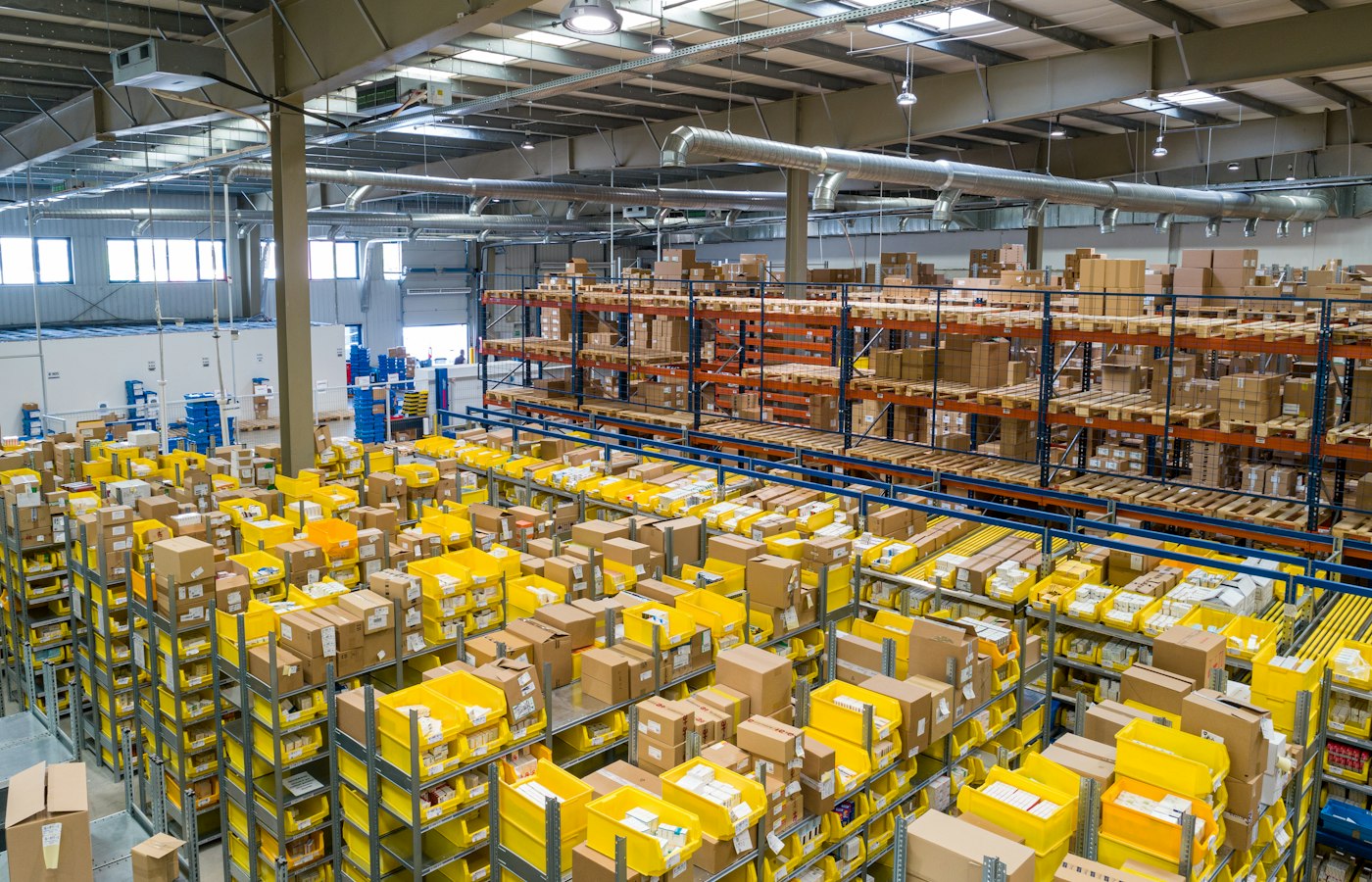
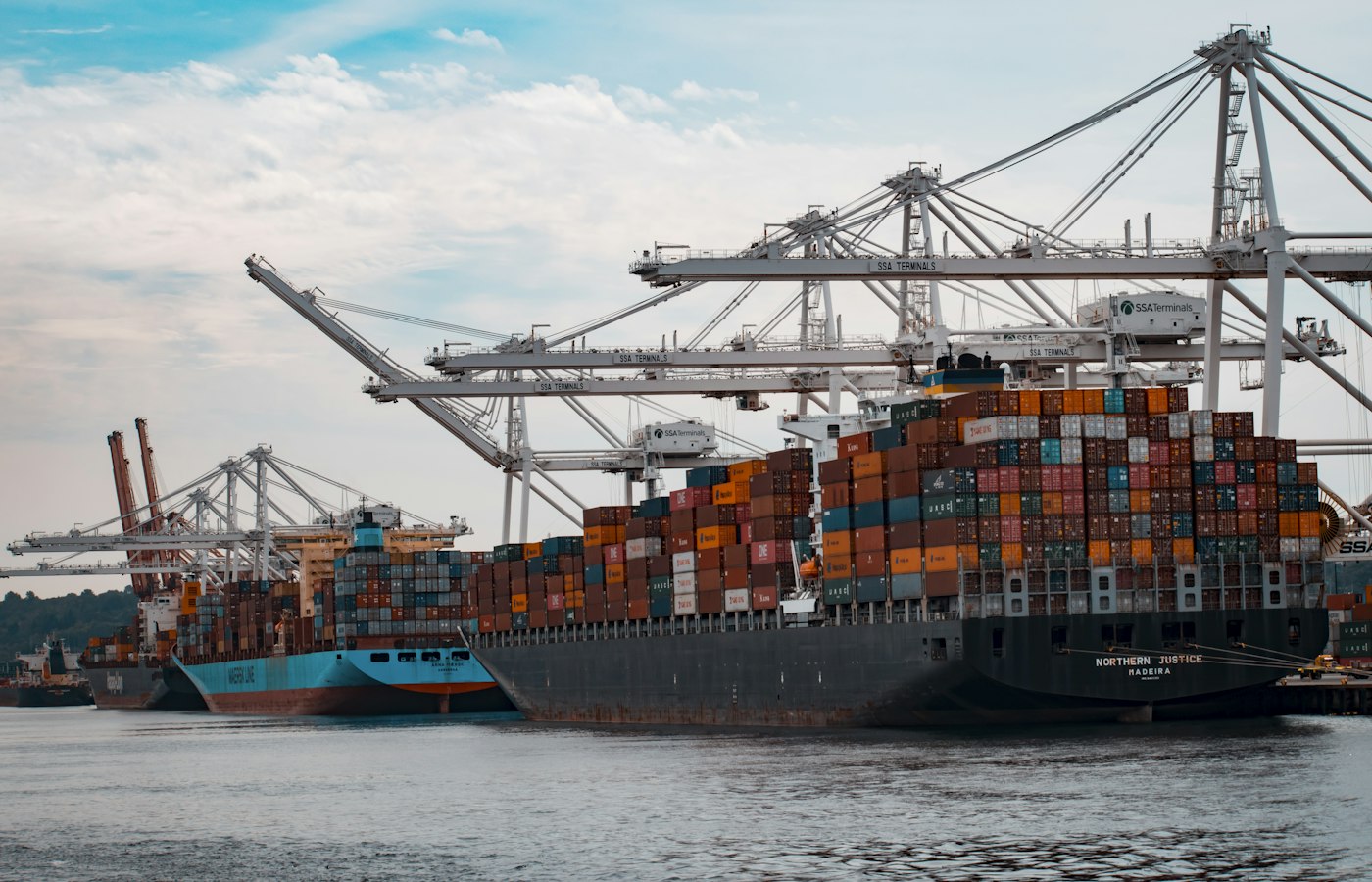
Every container that arrives at a port has to go somewhere next. It is unpacked, stored, assembled, repacked or transported inland. That simple fact is why port expansion reshapes the land around it – often far beyond the harbour itself.
From quay to hinterland
As port capacity grows on Maharashtra's coast, exporters and importers want to be close to it. Container freight stations, cold chains, bonded warehouses and light manufacturing all benefit from shorter, more predictable trips to the port. The result is a belt of industrial demand stretching along the roads and rail lines that serve it.
Which land benefits most
- Parcels with direct highway access that avoid congested town centres.
- Sites near rail freight terminals, which lower the cost of moving heavy cargo inland.
- Land with industrial zoning already in place, saving months of approvals.
- Locations with workforce housing nearby, as logistics and manufacturing are labour-intensive.
Planning for the long term
Port-led demand tends to be durable because trade routes, once established, rarely move. But it also rewards patience: infrastructure that links the port to the hinterland may take years to complete. Landowners who understand these timelines can position their land for the right occupier at the right moment.
Thinking Spaces helps landowners and occupiers read the port economy – where cargo is heading, which corridors will carry it and which parcels are best placed to serve it.