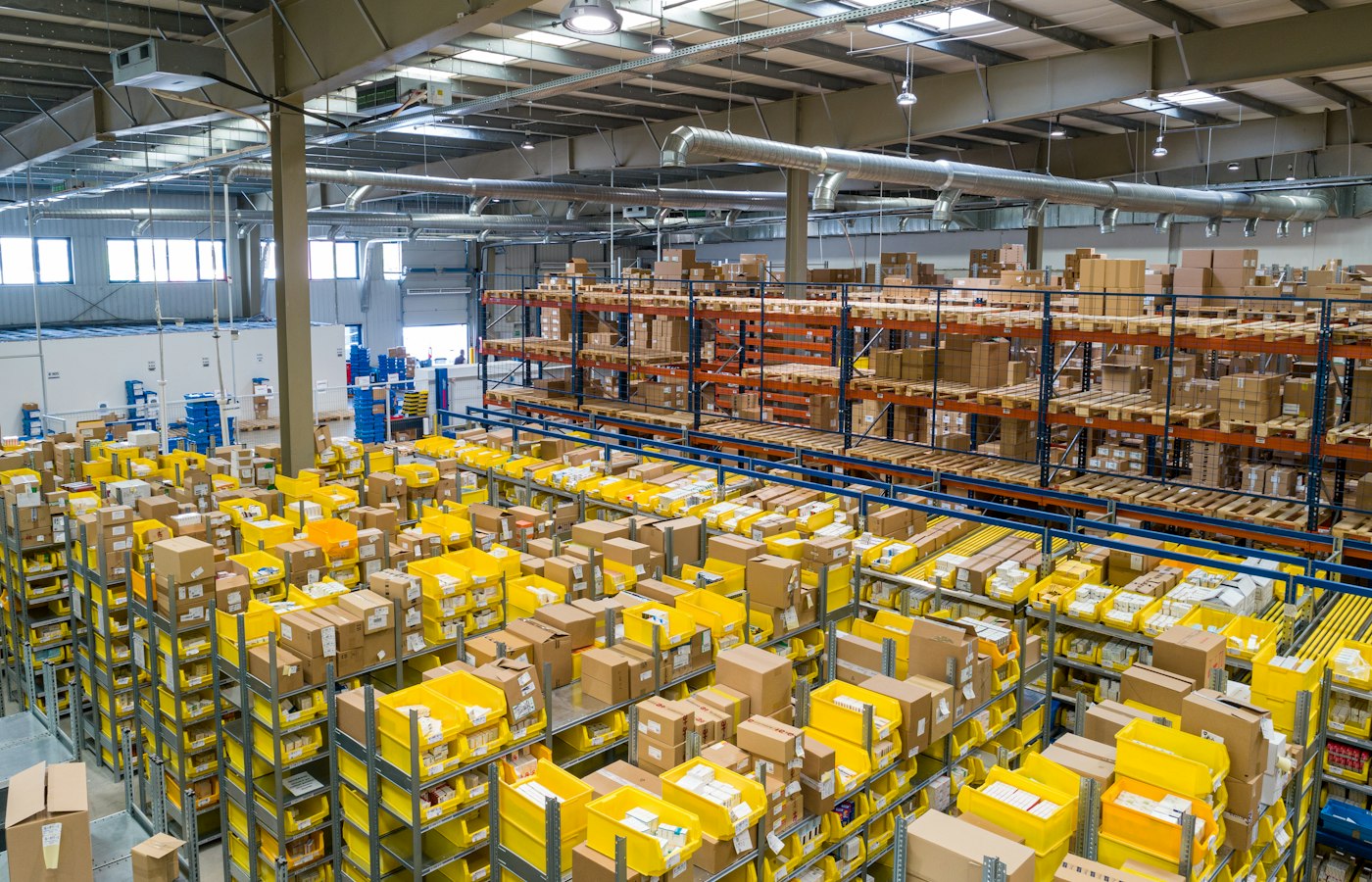
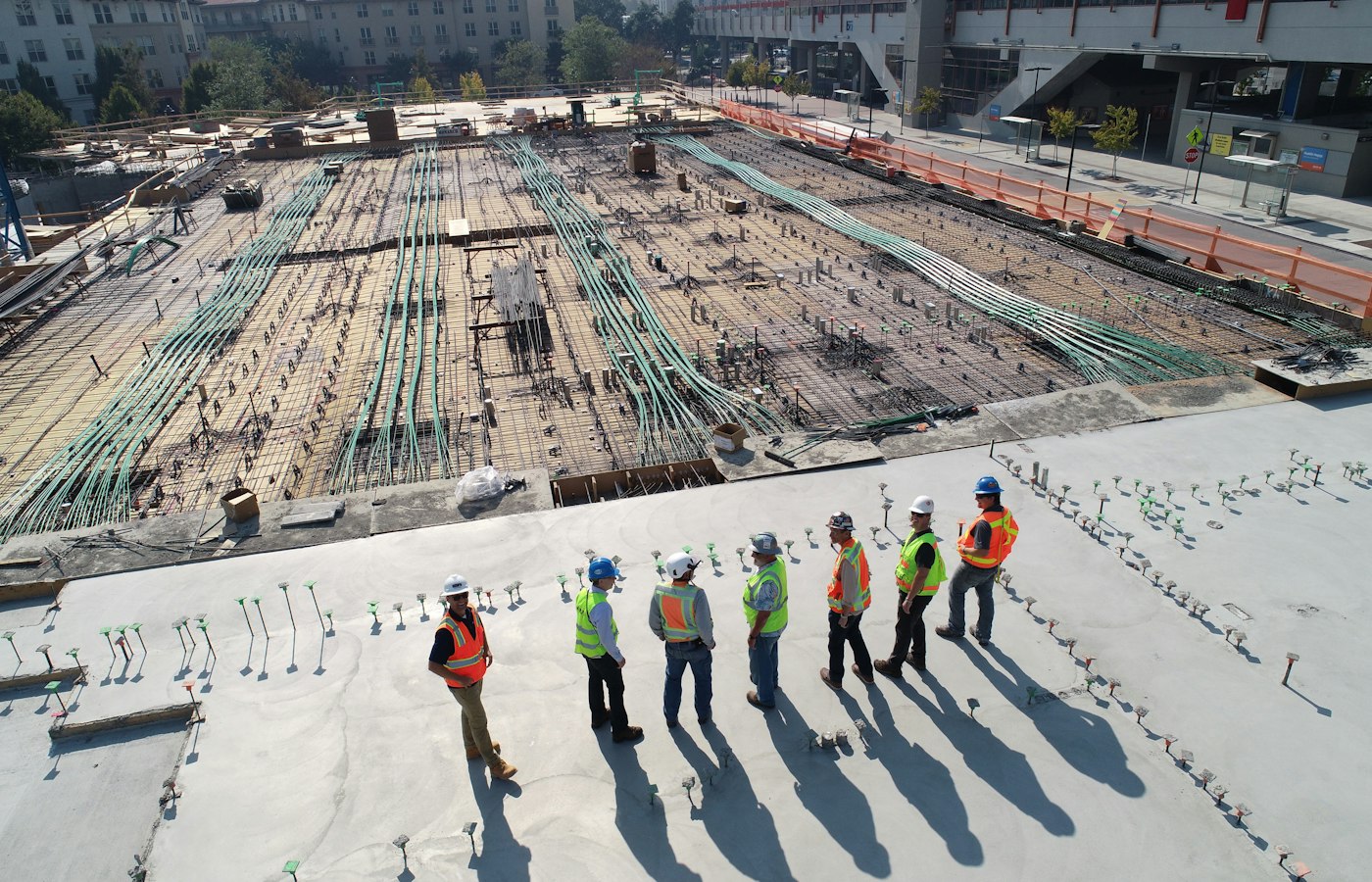
For decades, commercial growth in Maharashtra followed a familiar line: Mumbai first, then Pune, with everything else a distant third. That pattern is changing. New expressways, a second airport for the Mumbai region, port-led industrial zones and improved rail freight links are pulling demand along routes that were, until recently, considered peripheral.
Infrastructure comes first, demand follows
A growth corridor rarely announces itself. It starts with a road, a rail link or an industrial policy, and only later shows up in leasing enquiries and land prices. The businesses that benefit most are the ones that recognise the early signals: land being aggregated, logistics operators scouting sites, and educational and healthcare institutions committing to long-term campuses.
What to look for on the ground
- Connectivity that cuts travel time, not just new roads on a map. Time saved is what changes location decisions.
- Anchor occupiers such as manufacturing units, warehouses or universities that create steady, year-round activity.
- Clear land titles and zoning, which decide how quickly a site can move from potential to project.
- Social infrastructure – schools, hospitals and housing – that allows a workforce to settle nearby.
Reading the corridor correctly
Not every announced corridor turns into a commercial destination. Some remain transit routes for years. The difference usually lies in whether a corridor offers a reason to stop: an employment base, a consumer catchment or a cost advantage that an occupier cannot find closer to the city.
At Thinking Spaces, we study these corridors micro-market by micro-market, so that landowners know when to hold, occupiers know where to commit, and investors understand the timeline between infrastructure and income. The opportunity is real – but it rewards those who look beyond the headline.