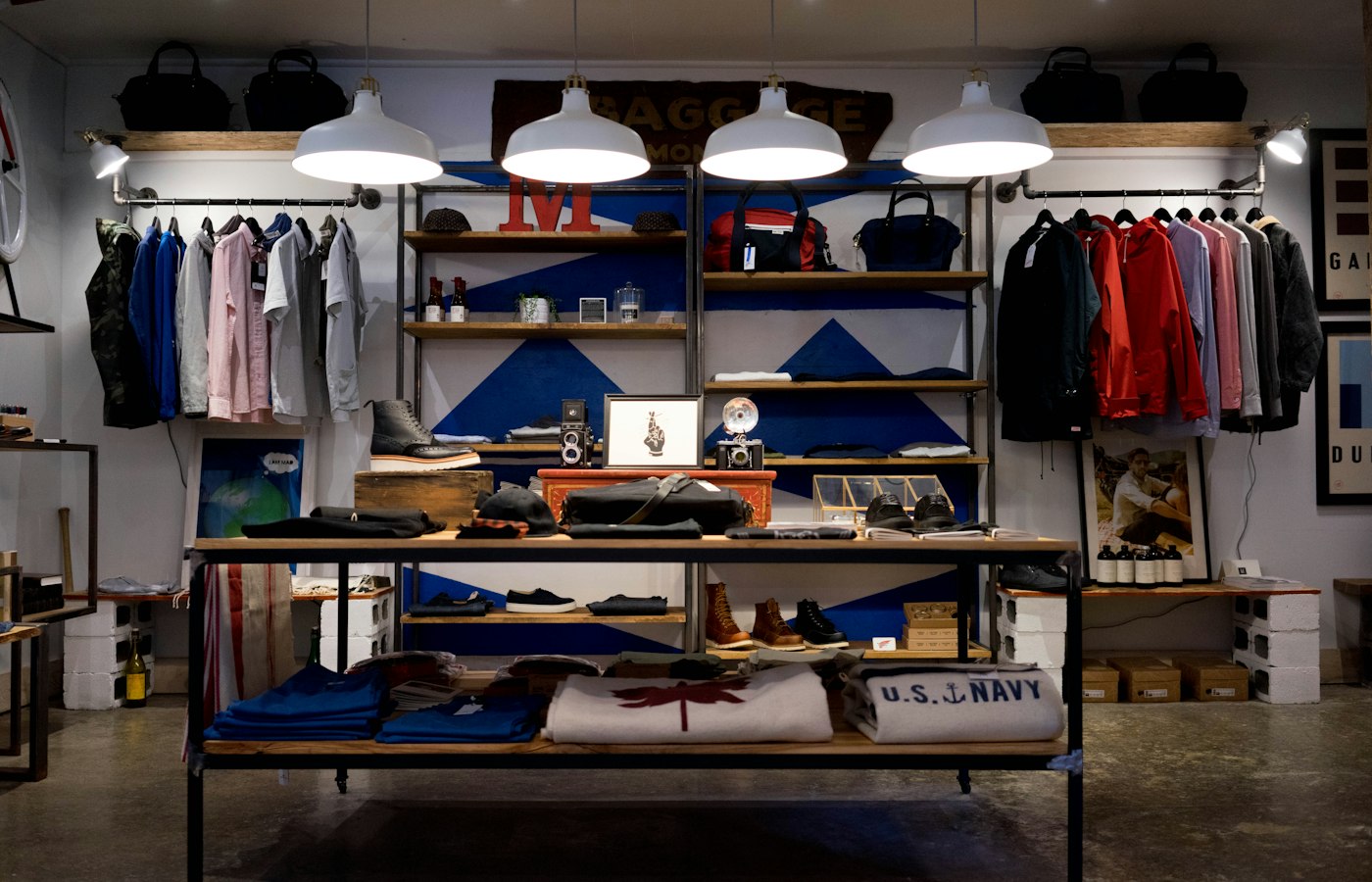
Every few years, someone predicts the end of physical retail. And every few years, the stores that understand their customers prove them wrong. Retail is not disappearing; it is being redesigned around how people now discover, compare and buy.
Where the opportunities are emerging
- Neighbourhood retail: as cities spread, residents want daily needs, dining and services close to home.
- Tier-2 and tier-3 cities: national brands are following rising incomes into cities that once had few organised stores.
- Digital-first brands going physical: brands born online are opening stores to build trust and reach new customers.
- Smaller, sharper formats: compact stores that act as showrooms, pick-up points and service centres at once.
What retailers look for now
Visibility and frontage still matter, but retailers also look at footfall quality, parking, co-tenancy and the time customers spend in an area. A high street with cafés, clinics and services often outperforms a location that only offers shops.
What it means for property owners
Landlords who think like retailers – planning tenant mix, flexible unit sizes and shared amenities – tend to see lower vacancy and stronger rentals. Those who treat retail space as a simple box to lease often struggle as formats change.
Thinking Spaces tracks how retail demand is moving across Maharashtra so that brands find the right catchment and property owners build spaces that stay relevant as retail keeps evolving.